
Virtue and a Sledgehammer android ghosts Explained
Virtue and a Sledgehammer android ghosts are digitized replicas of former town residents inhabiting mechanical bodies across Virtud to preserve human consciousness. Pratelle encounters these machine entities while dismantling her abandoned mountain hometown.
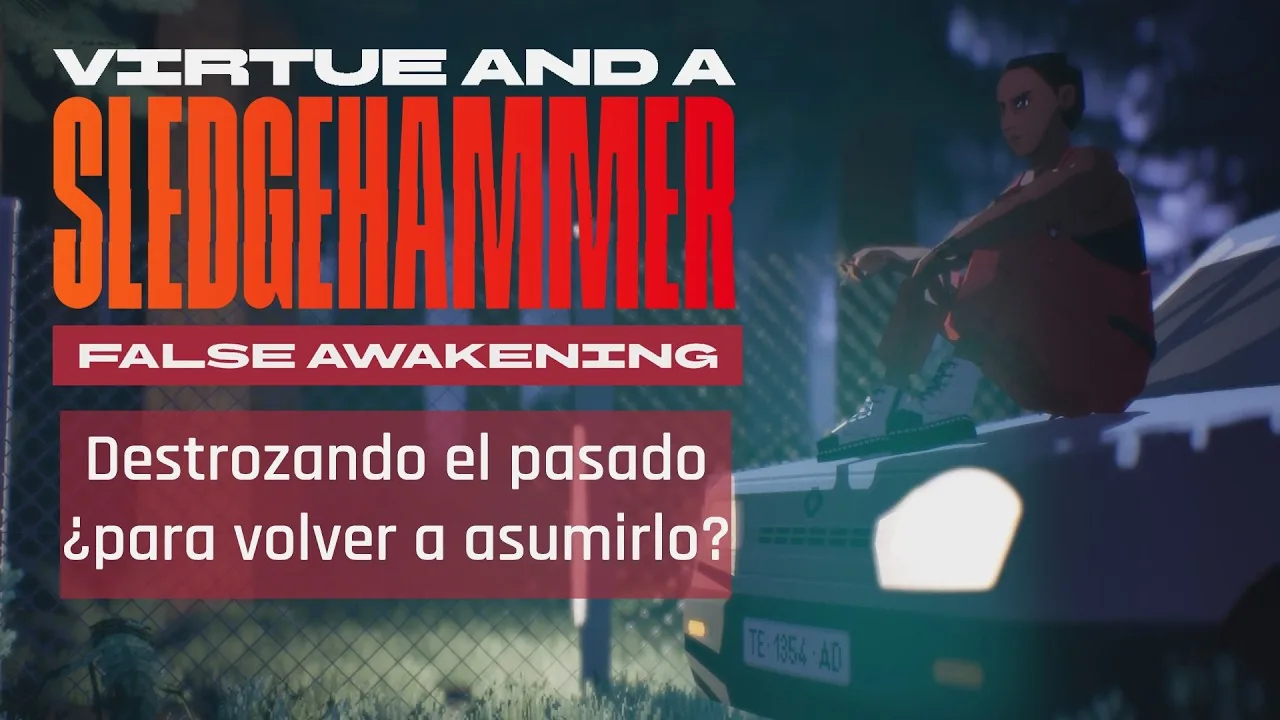
Virtue and a Sledgehammer android ghosts are digitized replicas of former town residents inhabiting mechanical bodies across Virtud to preserve human consciousness. Pratelle encounters these machine entities while dismantling her abandoned mountain hometown.
What Are the Android Ghosts in Virtud?
Android ghosts are uploaded consciousness profiles housed in box-headed metal frames that inhabit the abandoned mountain town. Developed by Deconstructeam and Selkie Harbour and published by Devolver Digital, the game presents these entities as digital facsimiles of the people Pratelle once knew. Each machine possesses a monitor screen displaying lines of text or simplified expressions. They walk through alleys, assemble inside old houses, and maintain conversational routines from their past lives.
The existence of these mechanical townspeople ties directly to the village history. As detailed on the official Steam store page, the population transferred their identities into digital servers to escape physical ailments. Rather than living bodies, their minds execute programmed loops within robotic shells. Pratelle confronts them while carrying her heavy tool through streets filled with childhood memories and unresolved family trauma.
How Do Android Behaviors Differ Across the Town?
Behavioral routines are individual programming patterns that dictate how each automaton reacts to Pratelle's presence. Certain units display immediate hostility. They yell bigoted insults, guard doorways, and strike at Pratelle when she steps into their territory. Smashing these units clears direct corridors through town structures and lets players press forward without delay.
Other machines demonstrate harmless, vulnerable habits. In the village church, several units gather under the care of a caregiver named Rogelia. These automatons experience memory regression, speaking and reacting like young children. Elsewhere, pairs of automatons sit together talking about sports or domestic arguments. Pratelle remains completely silent in the present timeline, creating tension between the talkative machines and her blunt physical actions.
During an interview with Screen Rant, writer and creative director Jordi de Paco highlighted the core emotional conflict behind these encounters:
One of the mantras we had while developing the narrative is: despite everything, I still love you. — Jordi de Paco in Screen Rant
Sledgehammer Mechanics and Encounter Options
Encounter approaches are player decisions that determine whether an automaton is shattered or bypassed during exploration. Pratelle holds a sledgehammer weighing ten kilograms, which serves as both an offensive weapon and a demolition implement. Players can swing horizontally, execute a heavy overhead strike, or tilt their camera upward to launch android targets directly into roofs and ceilings.
The game accommodates multiple interaction styles without forcing players to eliminate every entity. The table below outlines player approaches and their recorded outcomes in the game:
| Approach | Intended Scenario | Consequences |
|---|---|---|
| Direct Demolition | Hostile androids blocking doorways and tight pathways | Pulverizes the machine shell instantly and collapses adjacent masonry |
| Upward Sky Launch | Clustered robots positioned beneath low plaster ceilings | Propels the automaton into the roof, dismantling overhead support structures |
| Pacifist Avoidance | Passive or pleading automatons resting in rooms | Leaves the machine intact and triggers specific dialogue acknowledging the choice |
Players seeking efficient ways to level buildings can review practical swinging angles in our demolition guide.
Memory Glitches and Family Origins
Memory glitches are localized digital distortions scattered across walls and furniture that unlock playable flashbacks when struck with the sledgehammer. Shattering these points pulls Pratelle into cinematic sequences of interactive fiction. These scenes show conversations involving Pratelle, her sister Nina, and their mother Merche before the town converted into a machine preserve.
The flashbacks explain why Virtud transformed into a settlement of machines. Nina pursued technological engineering to overcome mortal limits, a path that led directly to the cybernetic town project. Dialogue branches let players define how Pratelle responded to her family's decisions in the past, including the ultimate Nina choice that shaped their household. Smashed androids leave behind quiet debris, confronting players with the remnants of an ambitious attempt to bypass mortality.
Next step
Family Trauma
Examine how Pratelle confronts Merche and Nina through destructive catharsis, memory fragments, and moral choices across her rural Spanish hometown.
Related Guides
Virtue and a Sledgehammer story: Plot and Lore Breakdown; Virtue and a Sledgehammer Combat Guide: Attack Controls
Story and Lore
Examine the plot, character arcs, and thematic moral choices in Virtue and a Sledgehammer as Patel confronts her family and digitized neighbors.
Combat Guide
Understand attack inputs, charge mechanics, enemy behaviors, and tactical positioning to survive hostile machine encounters in your hometown.